
Plastic bag policies reduce shoreline litter!
Trash Free Maryland’s origins included collaborative volunteer action and advocacy for effective policies to reduce plastic bag pollution in local waterways. Early plastic bag policy successes in Washington, DC, and Montgomery County, MD, demonstrated shared recognition that plastic bag litter was a problem with an effective policy solution. We’ve collectively learned a lot since the earliest plastic bag policies went into effect. New policies are designed to be easy to implement, effective, enforceable, and equitable.
Plastic bag policies have spread in Maryland, with 17 local jurisdictions now implementing plastic bag bans or fees or hybrid policies (ban on plastic bags with a fee on alternatives).
We know from our local cleanup data and from examining data from our partners’ cleanups that plastic bag policies — both bans and fees — reduce the prevalence of plastic bag litter in cleanups. A recent study published in Science reinforces our experience and suggests that impacts of plastic bag policies are not just local but include measurable reductions in plastic bag litter along downstream waterways and shorelines.
In “Plastic Bag Bans and Fees Reduce Harmful Litter on Shorelines,” authors Anna Papp and Kimberly L. Oremus found that plastic bag policies such as full bans or fees have significantly reduced shoreline plastic bag litter. Partial bans also had an effect, although it was smaller (possibly due to exemptions for thicker plastic bags). The study compared citizen-science data from thousands of shoreline cleanups before and after plastic bag policies went into effect. The results show the power of effective plastic bag policies and the utility of volunteer cleanup data to make and track lasting changes in the environment.
These results also suggest that bans or fees on problematic or frequently-littered materials may be impactful on a wide variety of single-use plastic items, including plastic straws, stirrers, and six-pack rings that can be easily avoided or replaced with non-plastic alternatives.
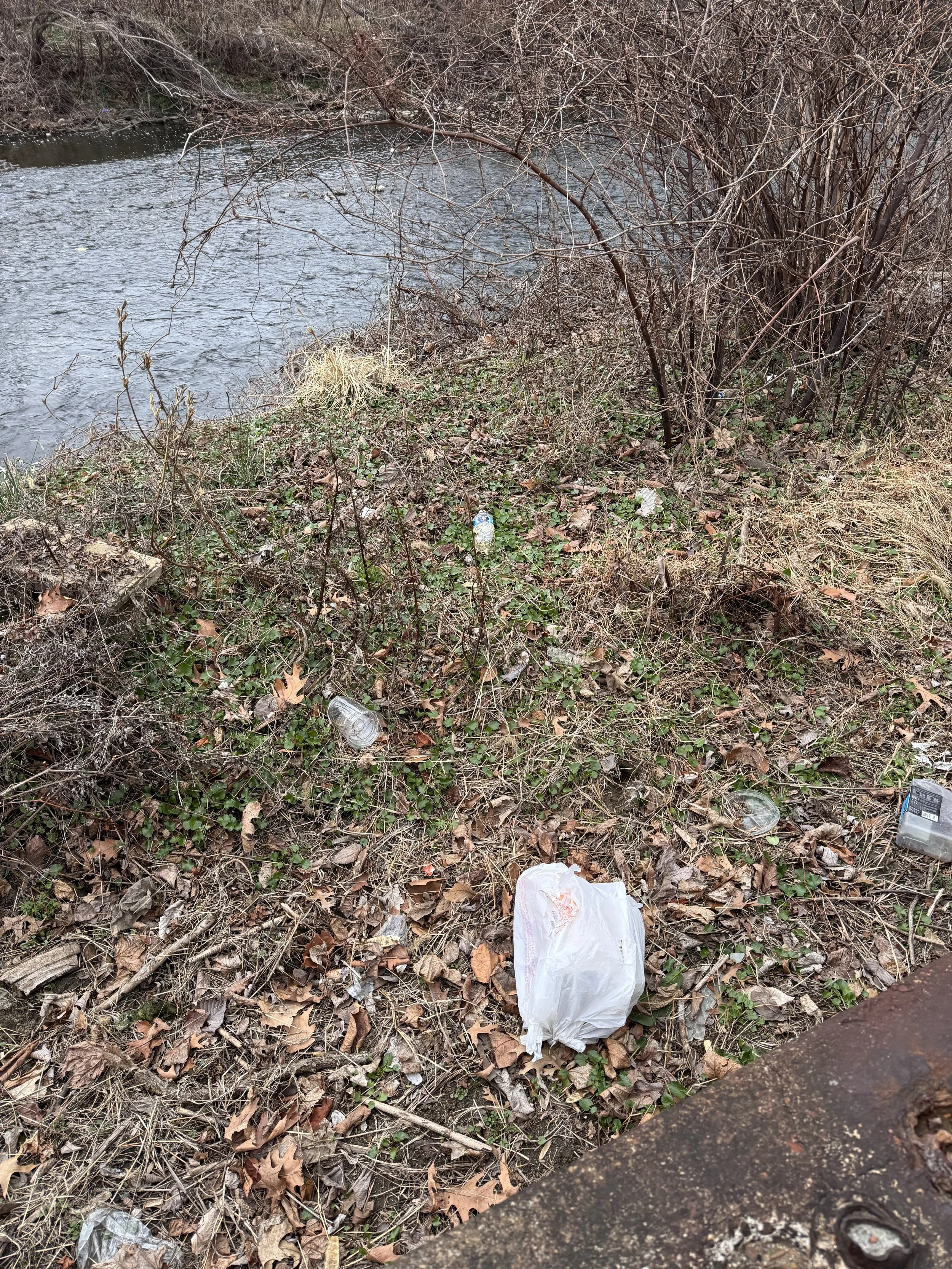
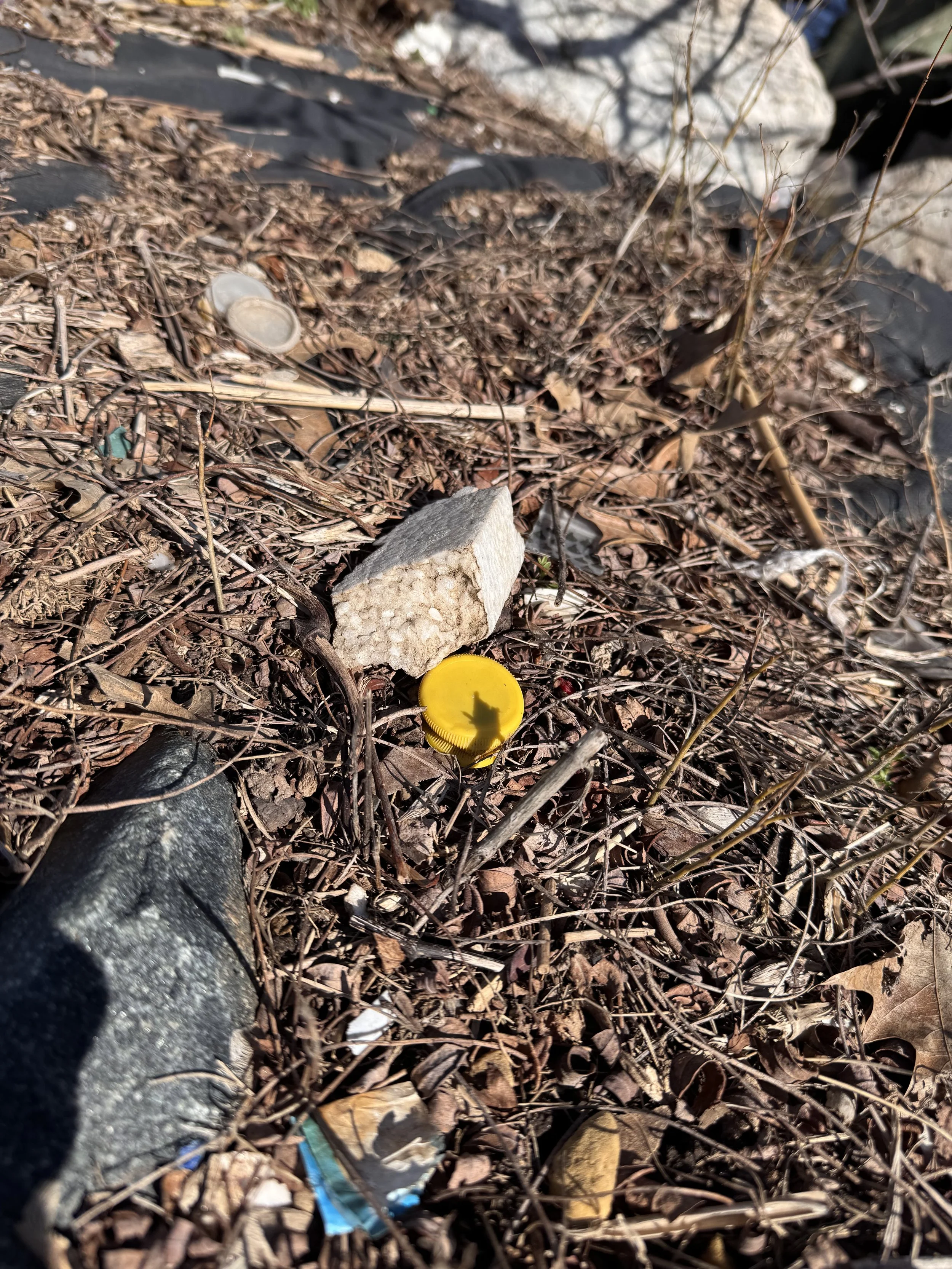
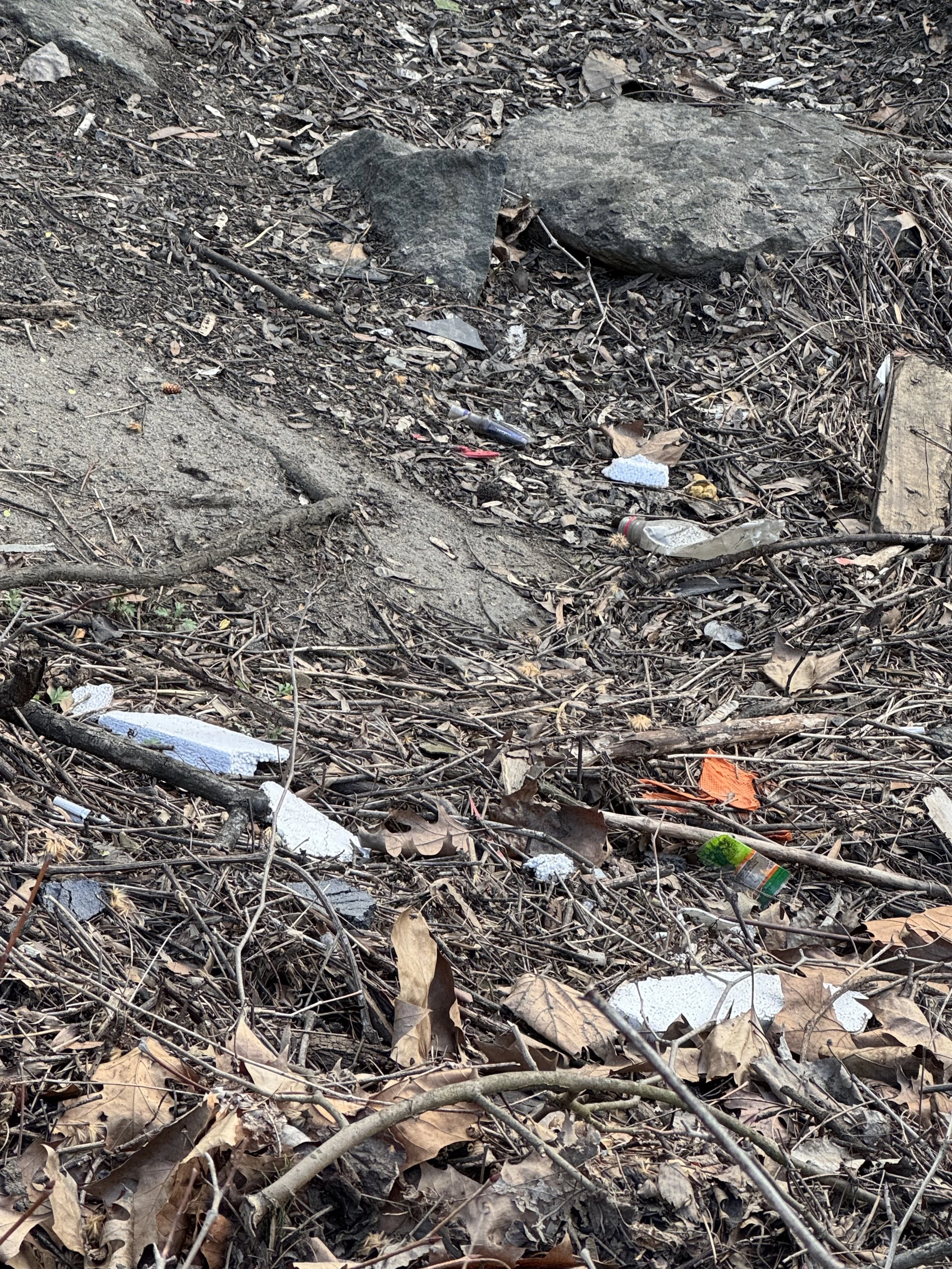
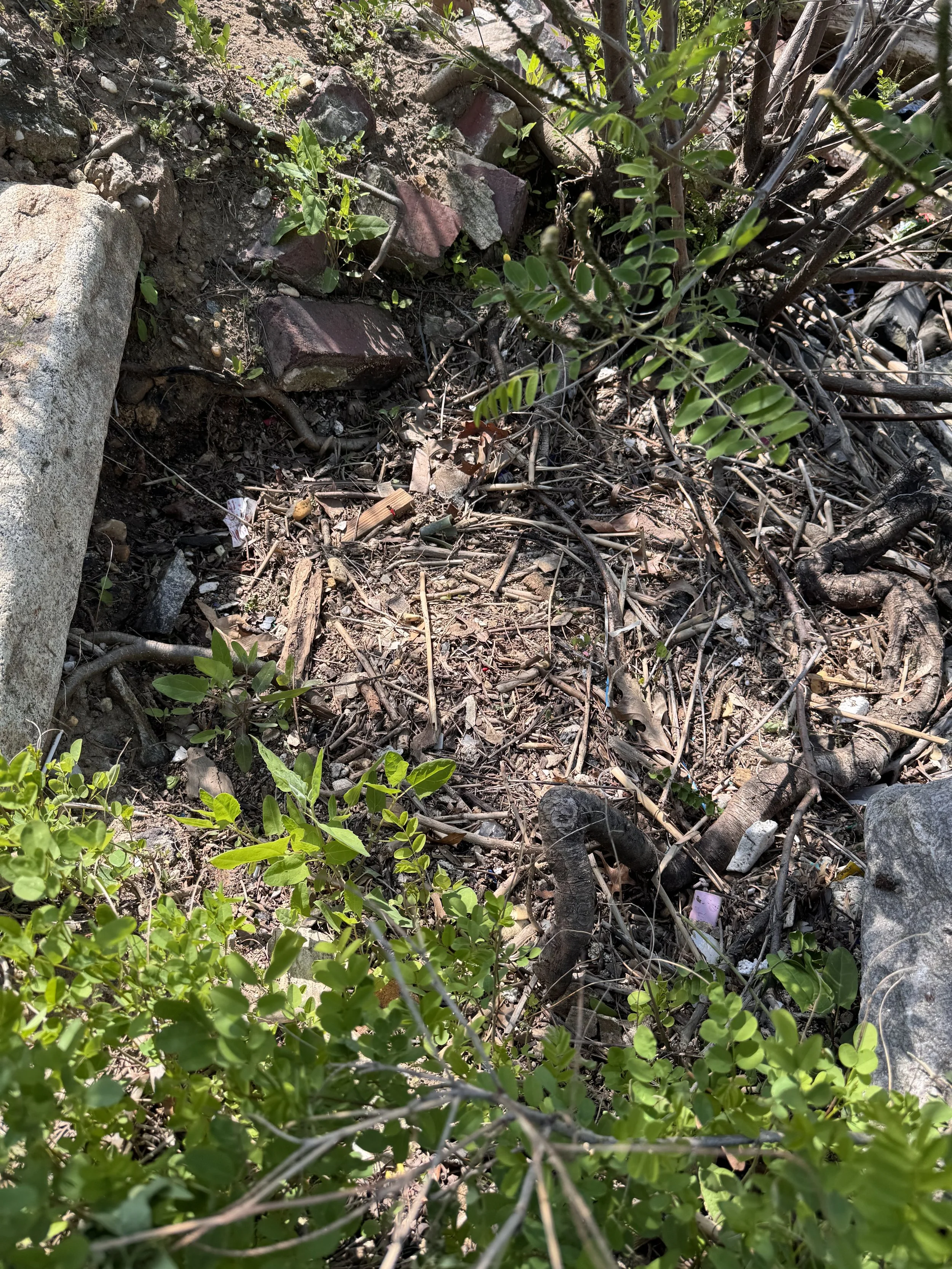
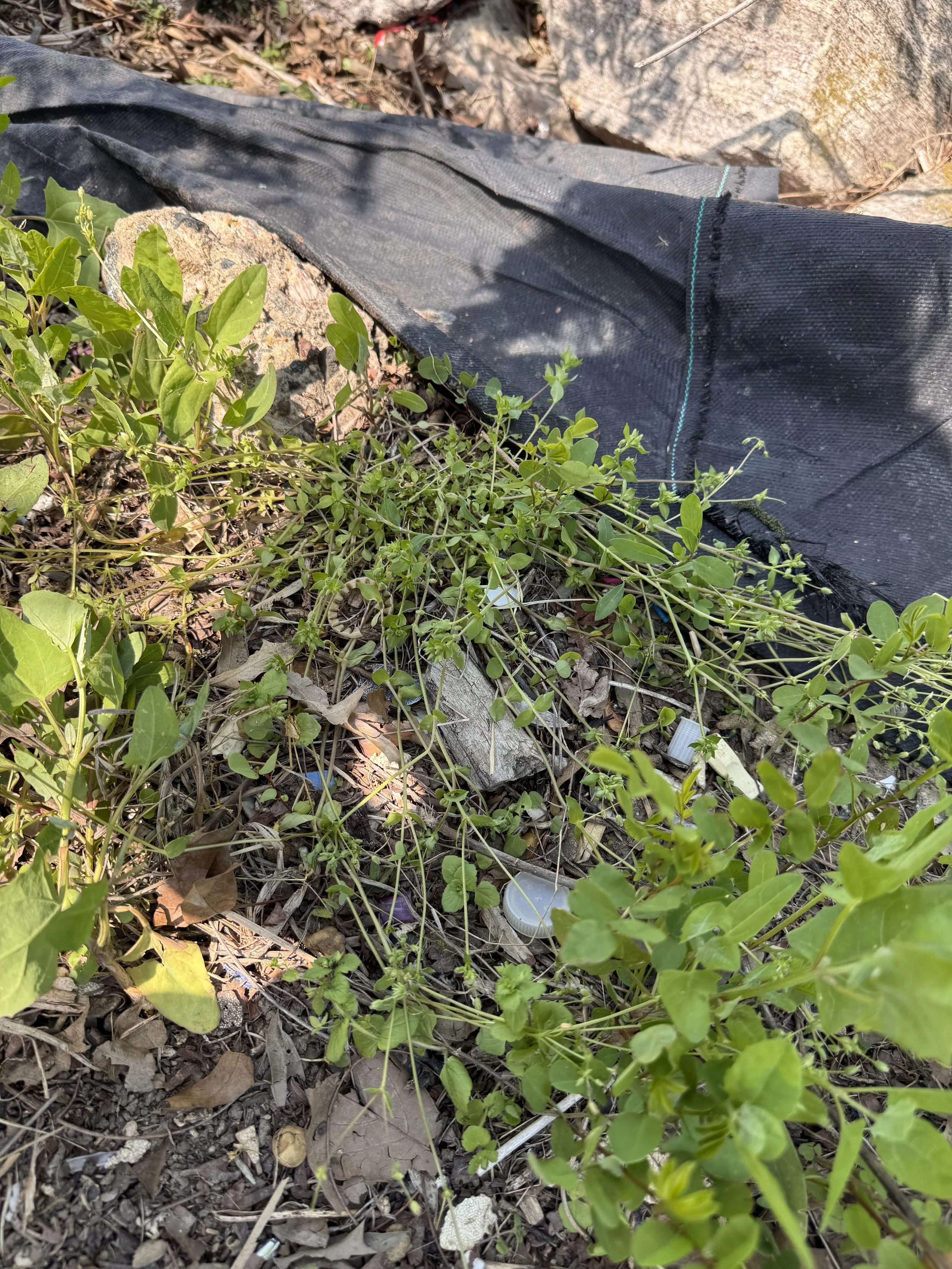
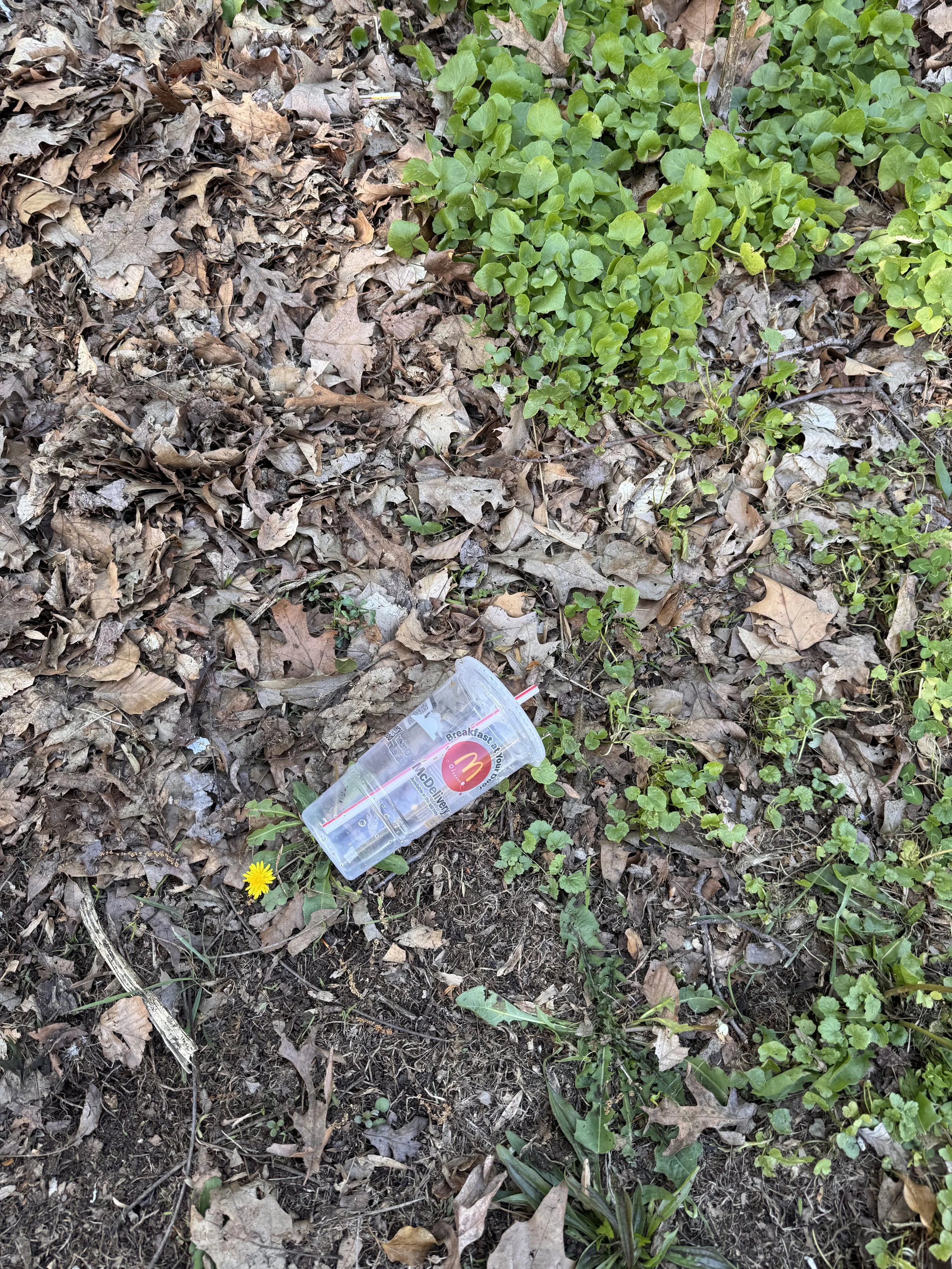
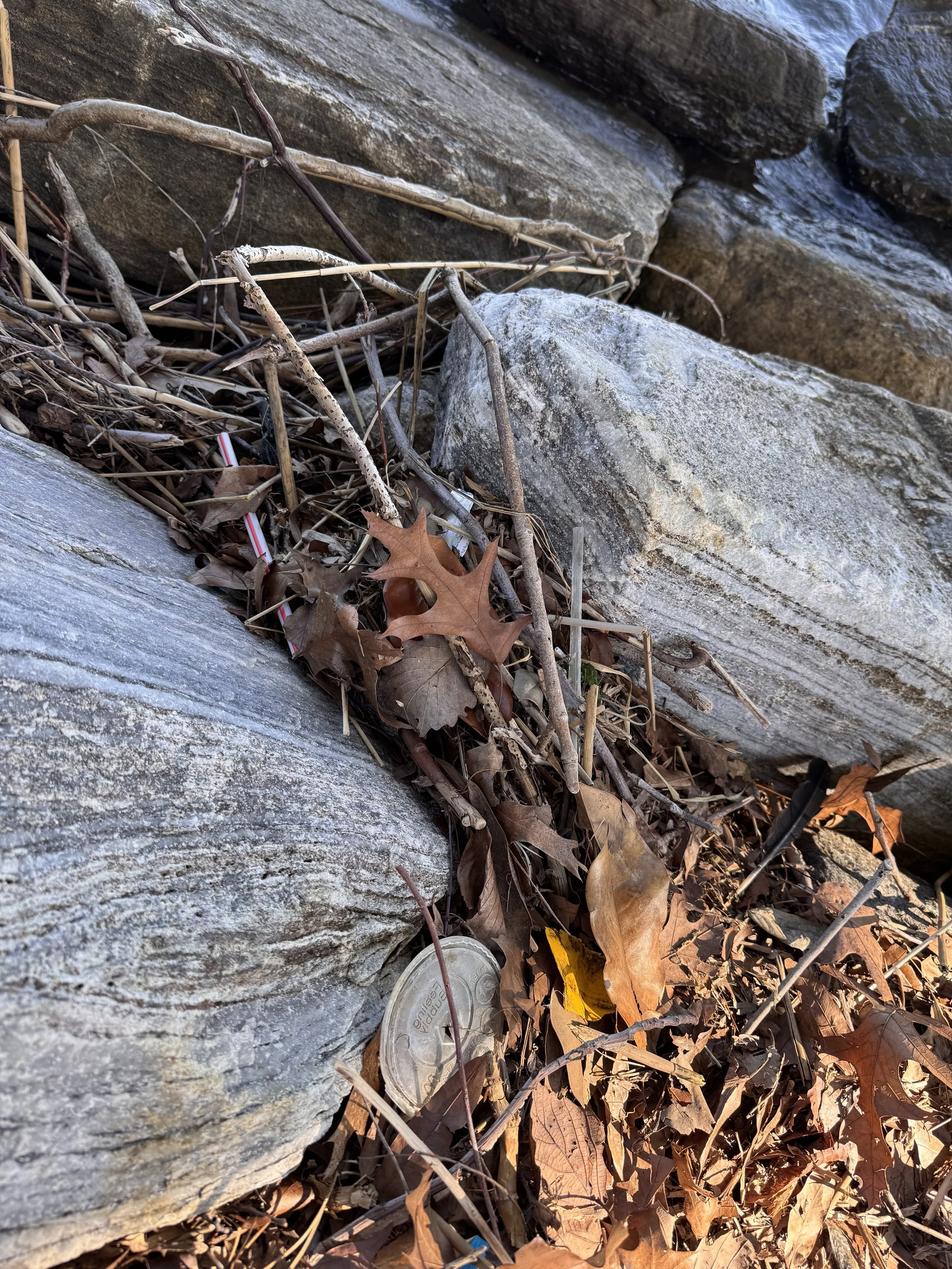
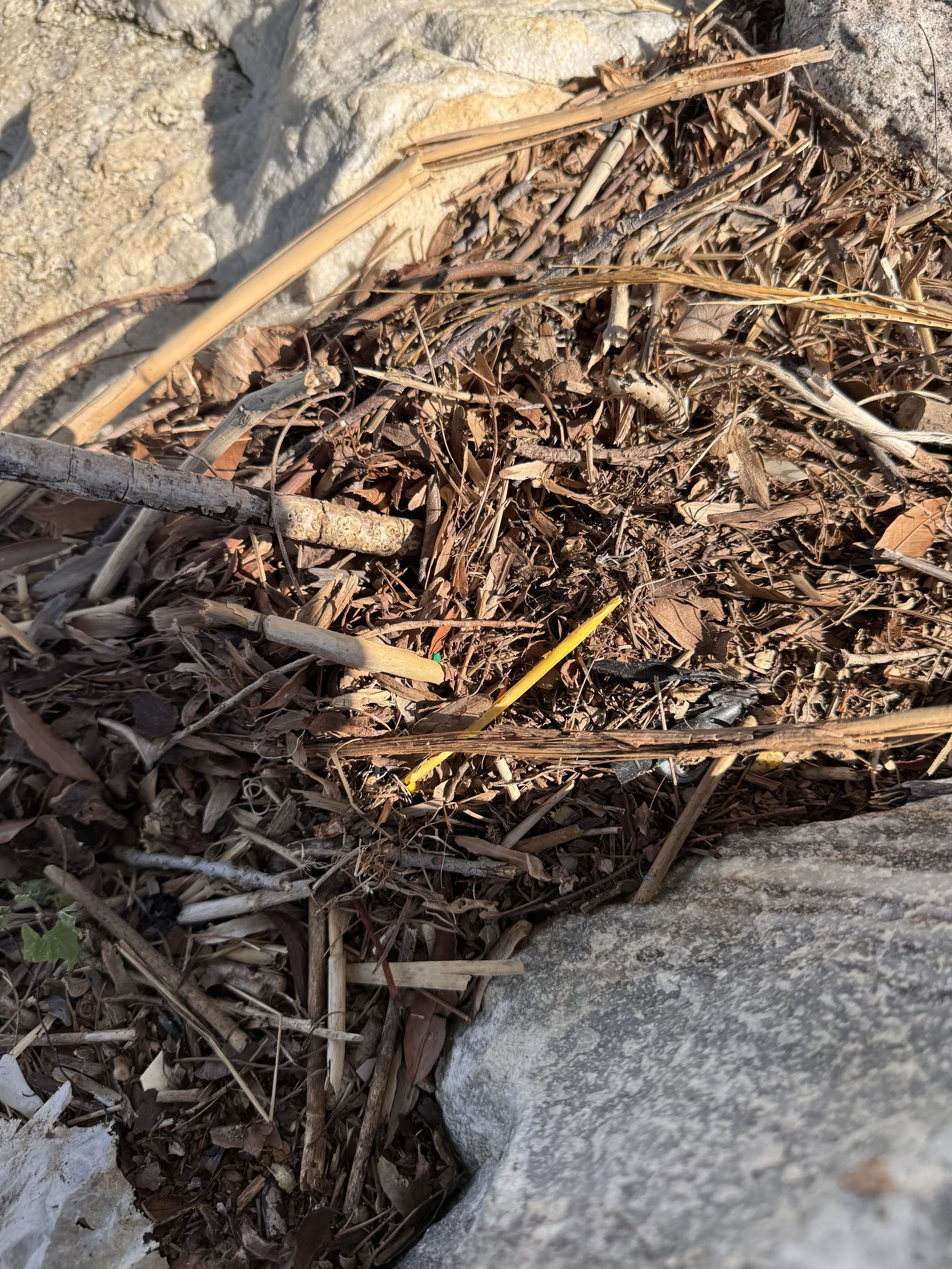
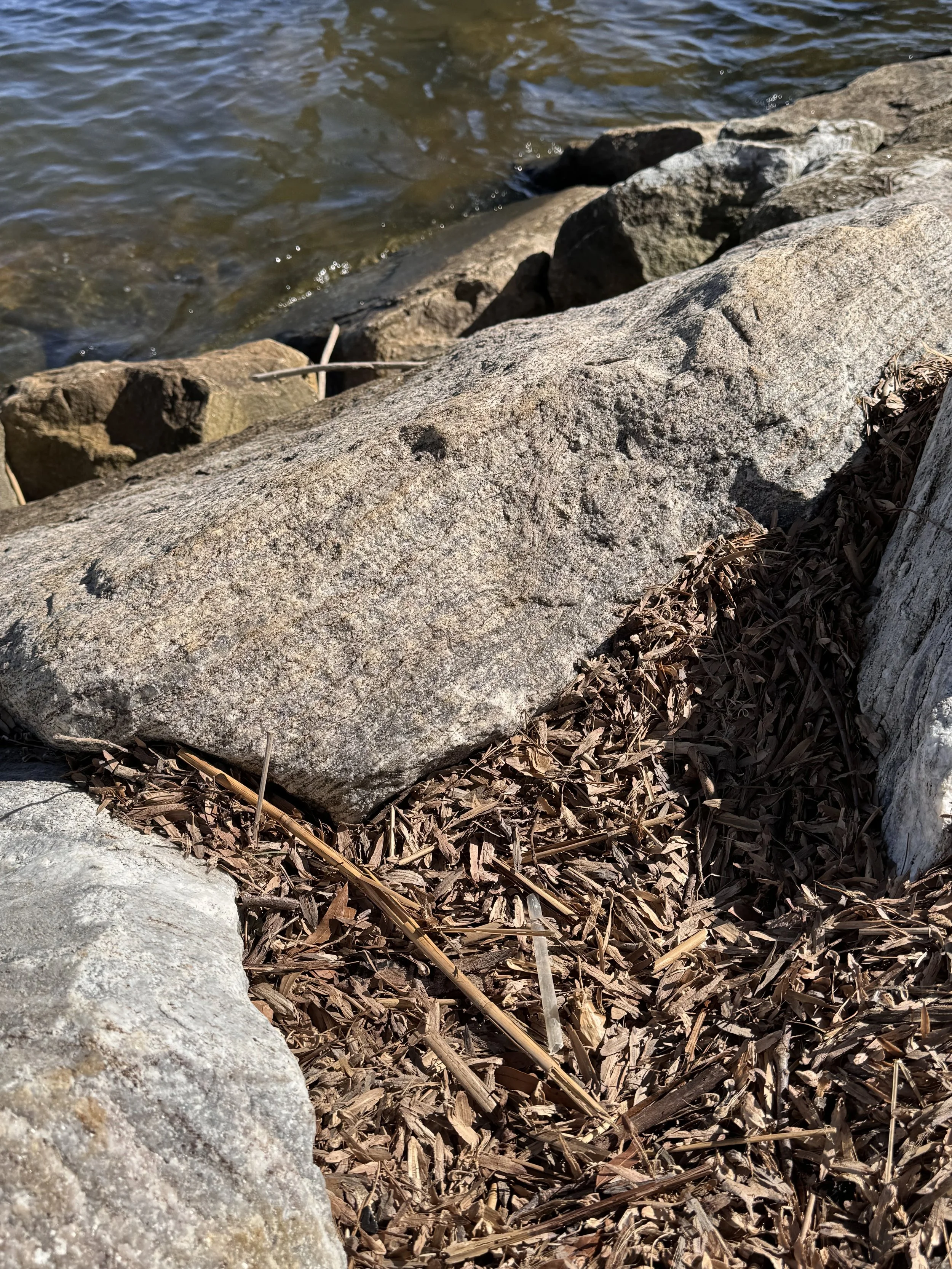
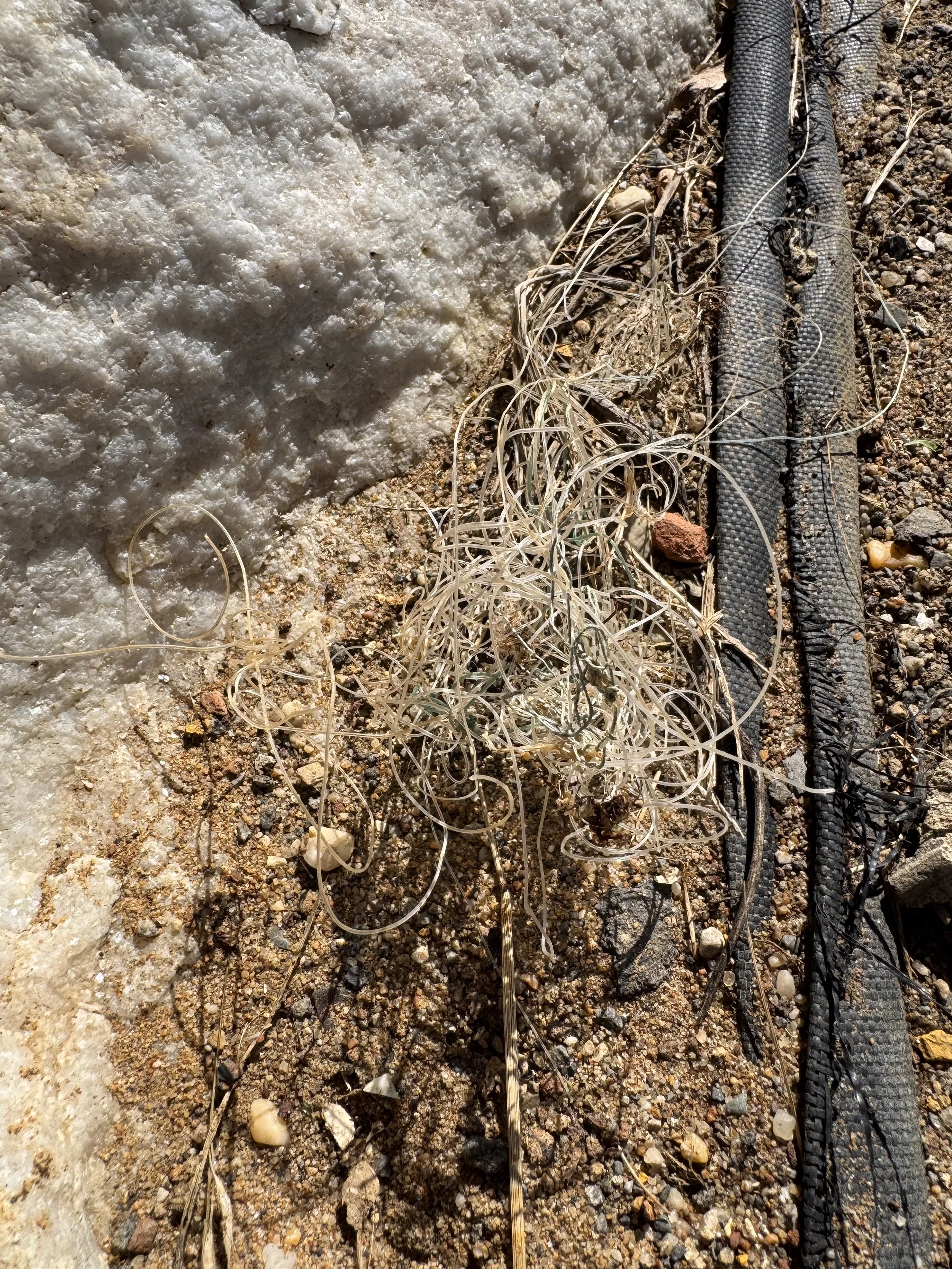
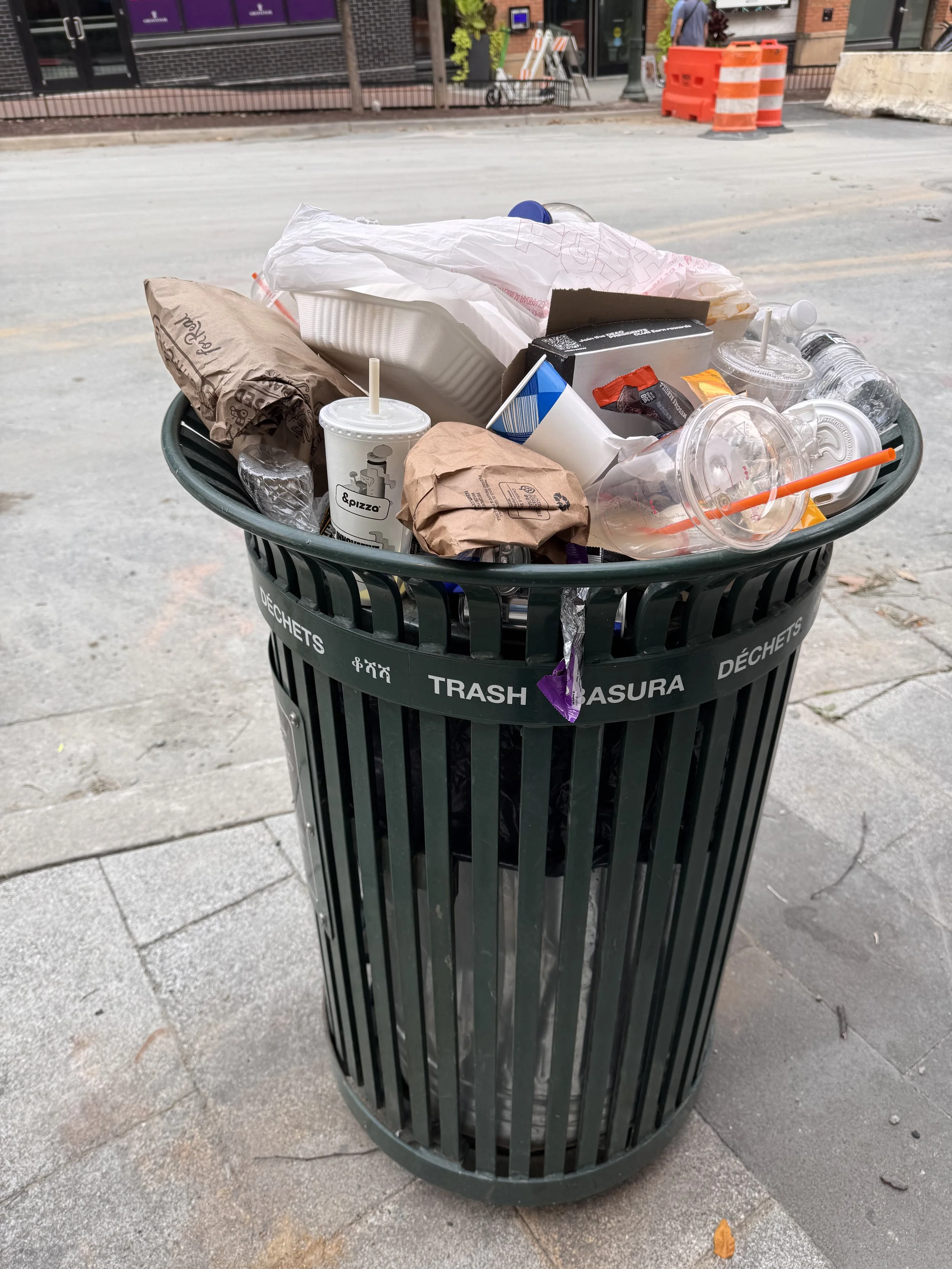
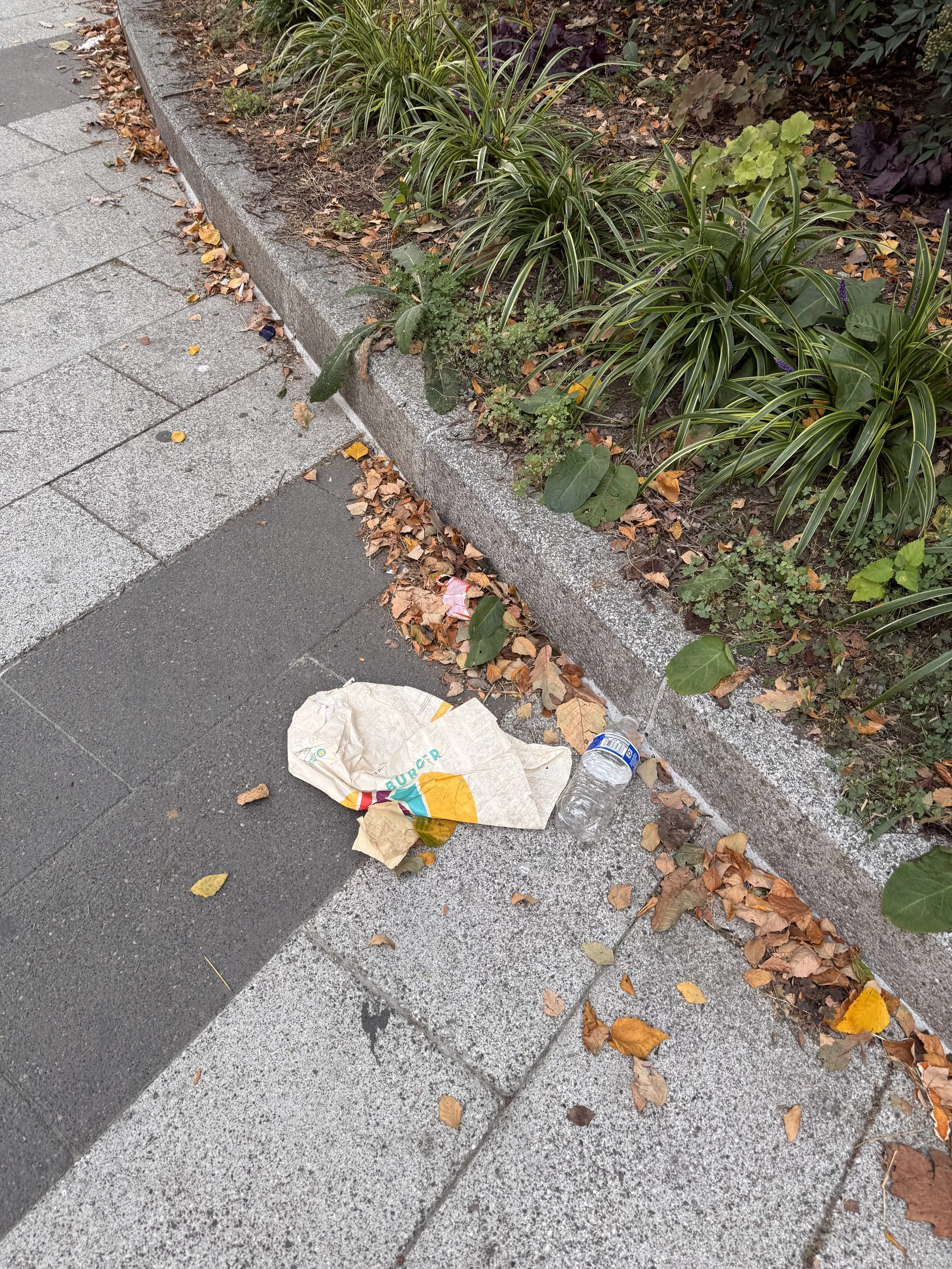
Single use plastic carryout shopping bags, cups, straws, styrofoam coolers, bottle caps, lids, toys, and other items are used for a short time and then become trash or litter polluting our environment. All of these items could be skipped or replaced with reusable alternatives. Every single single-use plastic item has the potential to become litter and plastic pollution in our environment, washing down streets, into our stormwater system, and into our waterways. Once plastic items enter larger bodies of water, they are difficult to recover and slowly break down into smaller and smaller particles until they become microplastics.