
Illegal Dumping
Illegal Bulk Trash Dumping
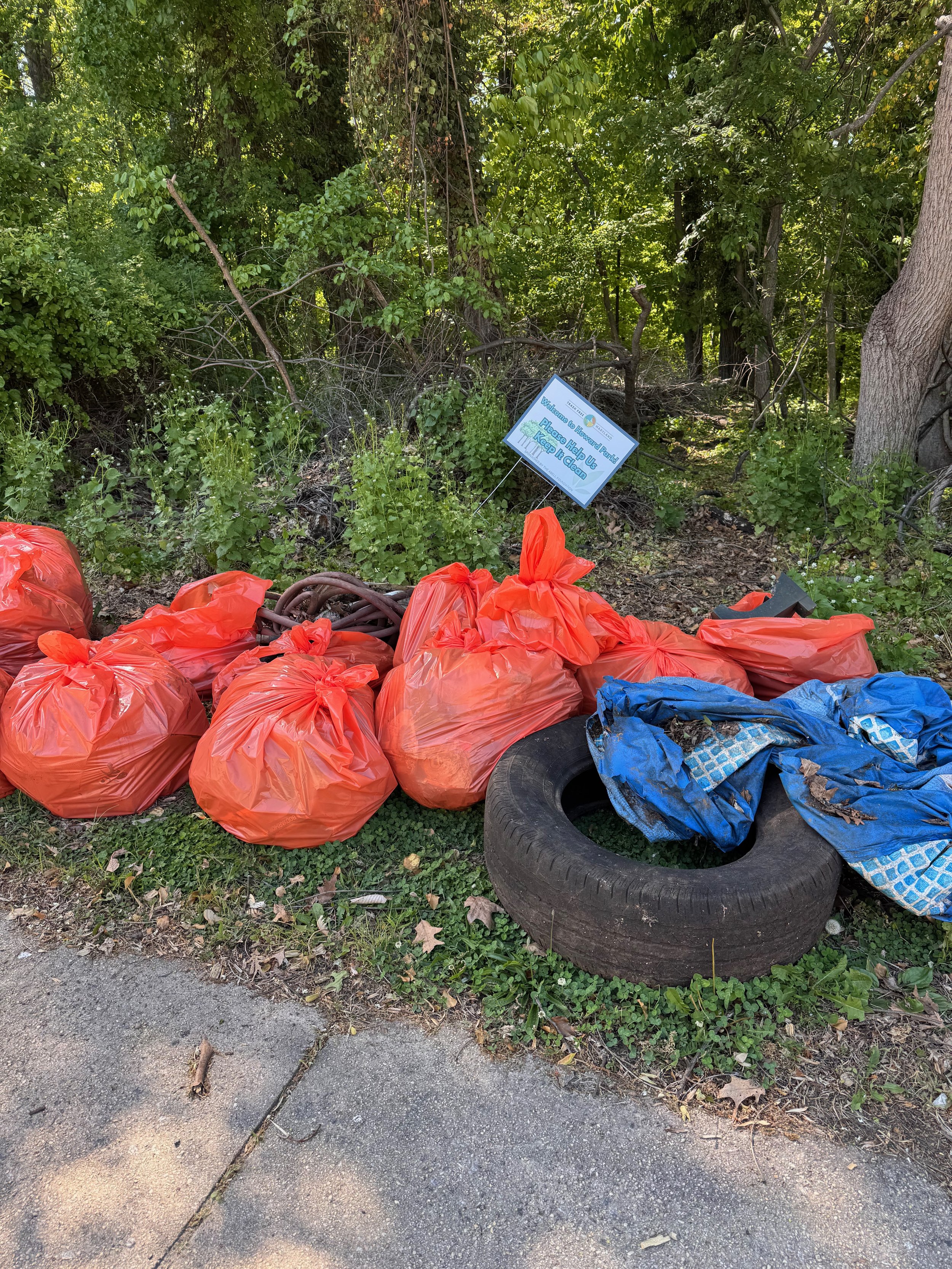
Bulk trash dumping describes improper dumping and disposal of bulky items like mattresses, hoses, old furniture, tires, construction debris, landscaping waste, rugs, automotive parts, eviction contents, pesticide containers, paint and chemical bucket, household goods, etc. These items are frequently illegally dumped along roadsides and ravines, polluting the environment and endangering residents and wildlife.
Why do people dump these items?
There are many reasons people dump bulky items. It may be expensive or inconvenient or even unclear how to safely and lawfully dispose of bulky or hazardous items. People may not know where this waste should go or they may have unsuccessfully tried to throw it away with their curbside garbage. People may think that dumping landscaping waste is not harmful, or that dumping materials in public rights of way is okay because it is not clearly on private property.
Unfortunately, once items are dumped and a location is perceived as a dump site, the dumping itself attracts more dumping activity by others.
Why is bulk trash dumping a problem?
Any dumping of trash in the environment poses risks. Chemical containers can leak, tires fill with water and become mosquito and disease breeding grounds, plastic bags and particles break down into smaller and smaller microplastics that pollute our water, trash attracts vermin, dumpsites are unsightly and may decrease property values, trash piles prevent other people from enjoying the area, and it is expensive to clean up this waste (especially when it is dumped down hillsides or in streams and other hard-to-reach locations).
How can you stop bulk trash dumping?
Trash Free Maryland worked with one Baltimore neighborhood impacted by the waste left behind by repeated illegal dumping and littering activity along the neighborhood’s edges. The waste included bulk trash — automotive parts, construction debris, landscaping materials, tires, and large volumes of household waste — that was heavier and bulkier to remove than trash from typical litter cleanups.
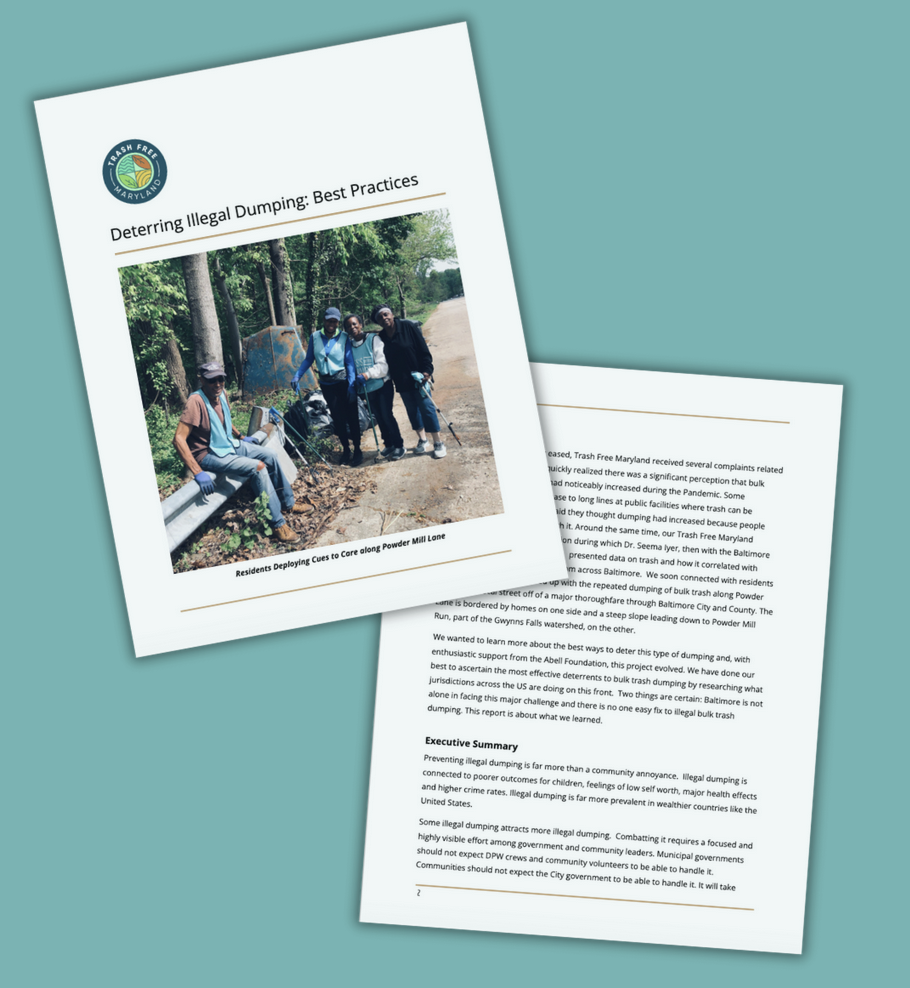
After organizing community cleanups to build support and identify the types of waste being dumped, and in partnership with the Abell Foundation, Trash Free Maryland researched illegal dumping prevention practices from across the country and developed a report on 10 proven practices to curb illegal dumping. Next steps included sharing the recommendations and selecting interventions to test. Read more here in our Bulk Trash Dumping Report.
Policy Options to Reduce Bulk Trash Dumping
Policy options for deterring illegal dumping usually include one or more of the following strategies:
Prevention - The identification of commonly dumped items — mattresses, tires, landscaping debris, construction waste — can help point to solutions that can prevent the dumping from taking place or recurring. Ensure that safe and legal disposal and recycling options are convenient and accessible to businesses and residents to prevent dumping for convenience and cost-savings.
Cleanup/Removal - Bulk dumping sites can attract further dumping activity by contributing to a perception that the site is unmonitored or already spoiled. Clean up bulk trash promptly (or report it to the appropriate authority if it’s on public property) to prevent the site from growing or further polluting the environment.
Education/Outreach - Education and outreach go hand in hand with prevention. Public outreach and education can ensure people know where to take waste materials and why it is hazardous to human health and the environment to dump improperly. Signage that clearly indicates dumping is an illegal activity with consequences is an important part of education for successful prevention and enforcement.
Enforcement - When the above methods are insufficient to stop dumping, enforcement of anti-dumping laws, requirements for cleanups, and penalties like fines create financial and legal incentives to handle waste properly. There is also evidence that suggests that publicizing illegal dumping convictions can be an effective dumping deterrent.
Are there bulk and illegal dumping laws in use in Maryland?
Yes. Maryland and local jurisdictions in Maryland have a variety of laws aimed at preventing bulk trash dumping. Laws include fines and penalties for dumping, camera surveillance programs, drivers license penalties, and reward incentives for evidence that leads to illegal dumping and littering convictions.