Maryland Needs a Bottle Bill Now!
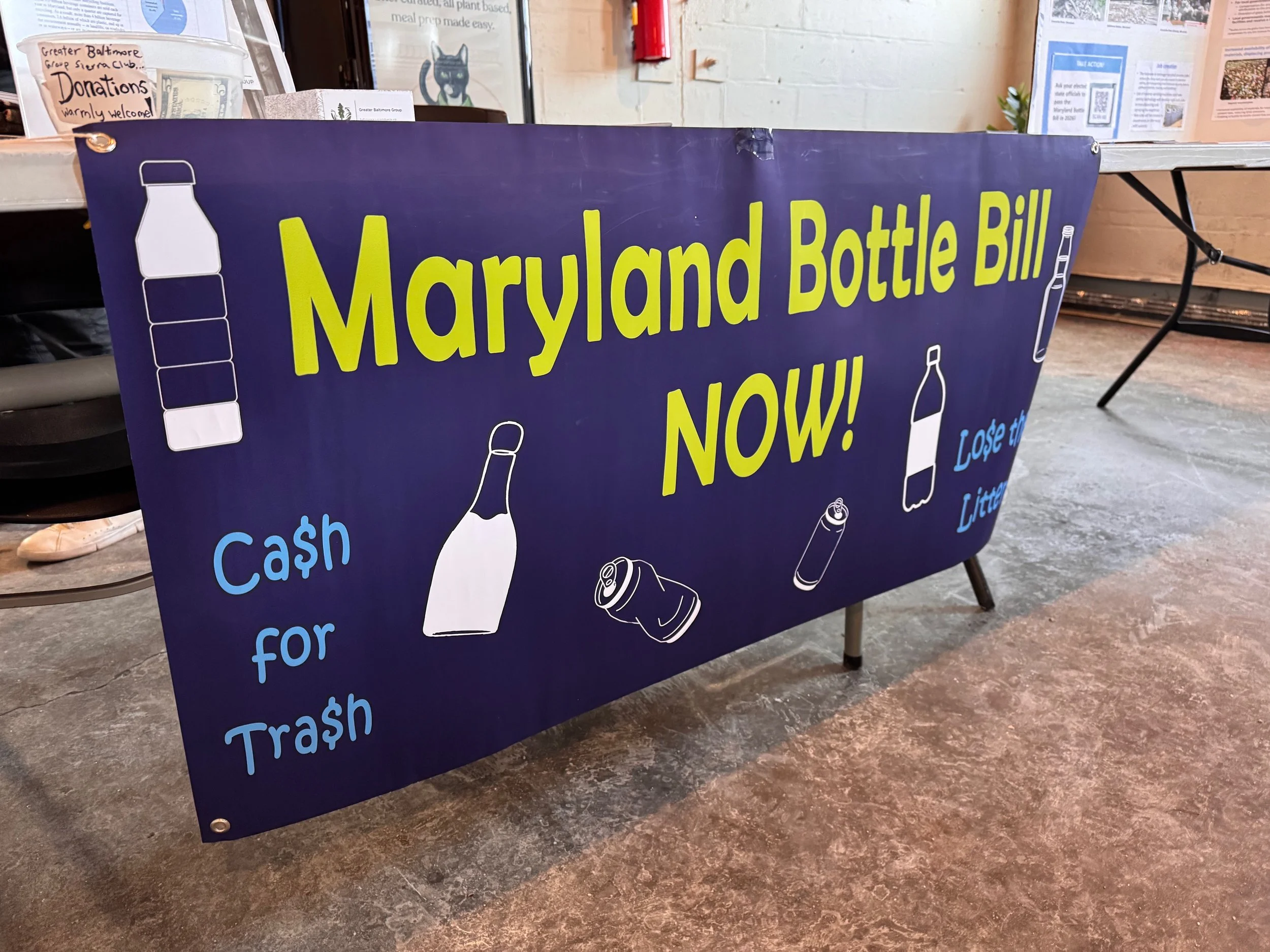
HB 331 / SB 342 Maryland Recycling Refund and Litter Reduction Program
HB331/SB342 Maryland Recycling Refund and Litter Reduction Program was re-introduced by Delegate Terrasa in the House and crossfiled by Senator Brooks in the Senate for Maryland General Assembly Session 2026. This legislation would create a modern beverage container recycling refund (also known as a “bottle bill”) in Maryland.
What is a bottle bill? In states with a bottle bill, consumers pay a small refundable deposit (usually between 5 and 15 cents) on each sealed beverage container at the time of purchase. When they have finished consuming the beverage, the consumer can return the empty container to the store or to a redemption center and get the entire deposit back. The consumer can bring it back to the same store when they return, a different store, a “bag drop” location, or a reverse vending machine or other collection depot. The system is funded by the producers of the beverages. Beverage producers would pay for the program operations and oversight, as well as a small handling fee to offset expenses for the retailers who accept used beverage containers for recycling.
Currently, the burden of funding Maryland’s curbside recycling, trash service, and litter cleanup programs falls on local governments and taxpayers. The bottle bill would remove beverage container materials from these other programs, thus saving local governments money.
Bottle bills are backed by decades of evidence showing they substantially reduce beverage container litter. A cash incentive to recycle helps overcome one of the most challenging aspects of local recycling programs — collection. Bottle bills provide an incentive for people to return containers for recycling, and bottle bills are one of the best ways to increase collection and recycling of containers from beverages that were consumed away from home. These on-the-go containers are otherwise likely to end up as litter or discarded in the trash. Our local governments and waste management programs can’t recycle what they can’t collect. Even a state of the art recycling facility needs the containers collected first.
Ten U.S. states have bottle bills, and the most effective programs reach container redemption rates approaching 90% and have around half the litter compared to non-bottle bill states.
HB331/SB342 is a modern bottle bill designed to maximize consumer convenience and container recovery by bringing together the most effective components of bottle bills from around the US and the world. Currently, redeemable beverage containers make up more than 50% of the litter Marylanders find in cleanups and trash traps. Maryland’s bottle bill is designed with convenience and deposit factors capable of reaching 90% container recovery rates (meaning 90% of the 5 billion+ redeemable beverage containers sold in Maryland each year would be returned for recycling), suggesting that litter in trash traps could be reduced by nearly half! That’s a stunning result from a policy that is budget neutral for the state government. Bottle bills are a type of producer responsibility, i.e., the bottle bill is designed to shift financial responsibility for beverage container waste from the local governments and taxpayers who currently fund it to the producers who make and sell it the product. Bottle bills can save local governments litter cleanup and trash disposal expenses.
The General Assembly will hold hearings on the bottle bill next week. The Senate Education, Energy, and Environment Committee will have a hearing on SB 342 on Tuesday, February 10th, at 1:00pm. Testimony is due on Friday, February 6th, and must be uploaded to the Maryland General Assembly website between 8am-6pm on Friday. The House Environment and Transportation Committee hearing on HB331 will take place on Wednesday, February 11th, at 1:00pm. Testimony for the House hearing is due on Monday, February 9th, between 8am-6pm.
We’ll keep posting on how you can help the bottle bill advance this year. Last year, the bottle bill was passed favorably out of the House Environment and Transportation Committee and then it languished in the House Economic Matters Committee without a vote before the end of session. You can help demonstrate support for the bottle bill now by:
submitting “FAVORABLE” written testimony
contact your State Senator or Delegate and urge them to pass the bottle bill out of committee and chamber
contact the Governor’s office to tell him you support a bottle bill now to reduce litter and cut microplastic pollution sources
post pictures on social media of the beverage container litter you find with hashtags #MDBottleBill #MDGA26 #MDGA26BottleBillNow
keep following us to be ready for action alerts and keep positive pressure on our representatives to pass a bottle bill this year!
Your message to legislators and the Governor’s office can be simple. Just say that you “support the bottle bill” and hope they will, too. Or you can add your experiences with litter and why an effective litter source reduction policy like a bottle bill is important to you.
Here is a fact sheet with some additional information about the bottle bill: Bottle Bill Fact Sheet
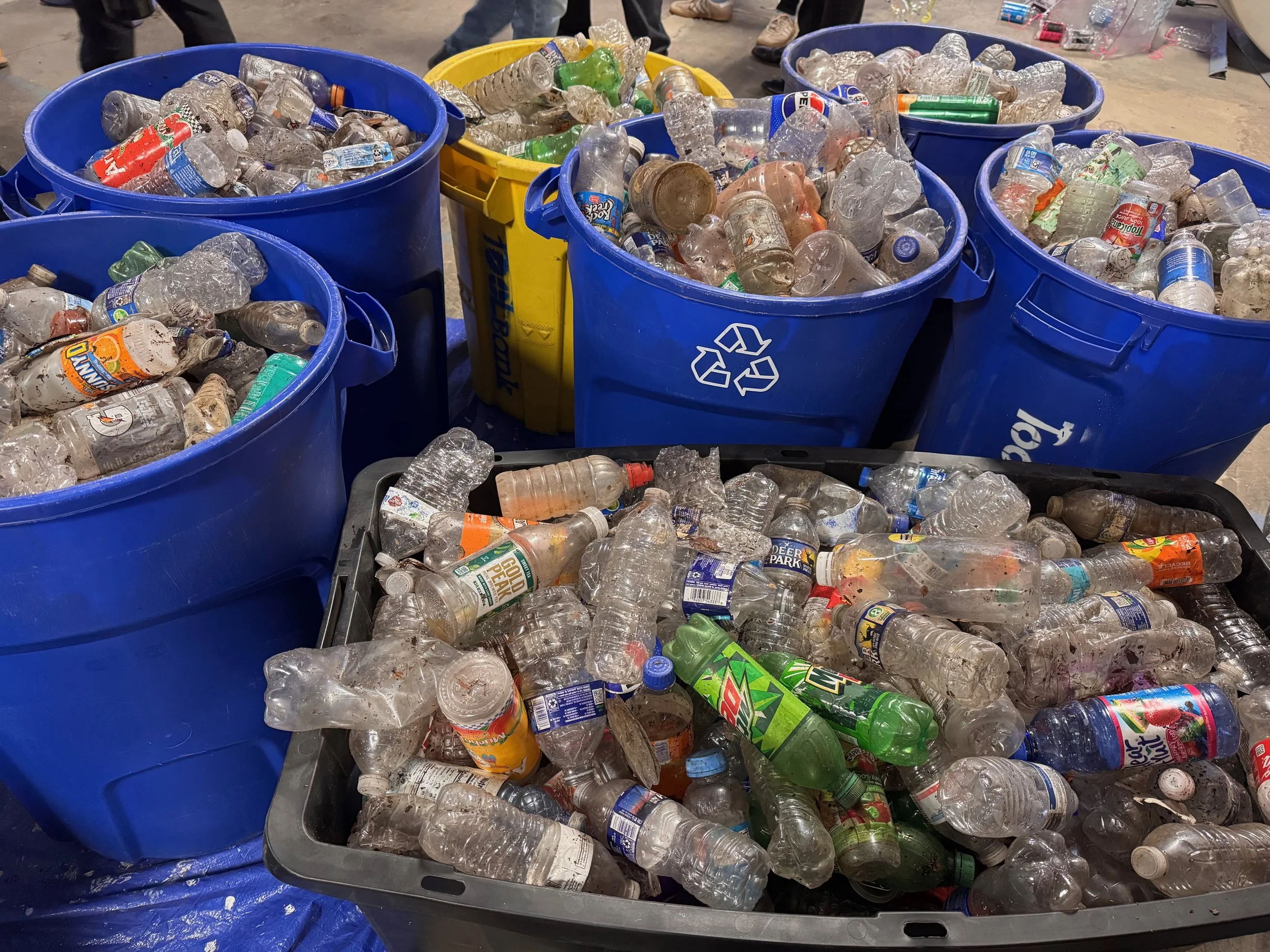
The picture above shows the nearly 2,000 littered beverage containers found in just one dumpster from Professor Trash Wheel. Adding a cash incentive to return empty containers like these for recycling would have prevented most of these from ever ending up in Baltimore’s waterways.